Space 1999: Review: Catacombs of the Moon

“Catacombs of the Moon” from Space: 1999 is definitely a wild trip into some classic seventies sci-fi drama. The whole plot kicks off with a mining engineer named Patrick Osgood who is desperately digging in the underground tunnels beneath Moonbase Alpha. He is looking for a super rare mineral called tiranium because his wife, Michelle, is dying in the medical center and needs it for an artificial heart transplant. Things go sideways fast when Osgood gets caught in an explosive blast, surviving it but ending up with these intense, fiery psychic visions of the base getting completely incinerated by a space firestorm.
What makes this episode stand out is how it forces a clash between cold science and pure, unyielding faith. On one side, you have Dr. Helena Russell doing her absolute best in the lab to engineer a working mechanical heart without the proper materials. On the other side, you have Osgood totally losing his grip on reality, choosing to completely disregard the base’s chain of command because he genuinely believes his visions are a divine warning. When an actual heat storm from deep space starts closing in and roasting the moonbase, the tension gets cranked up to the max.
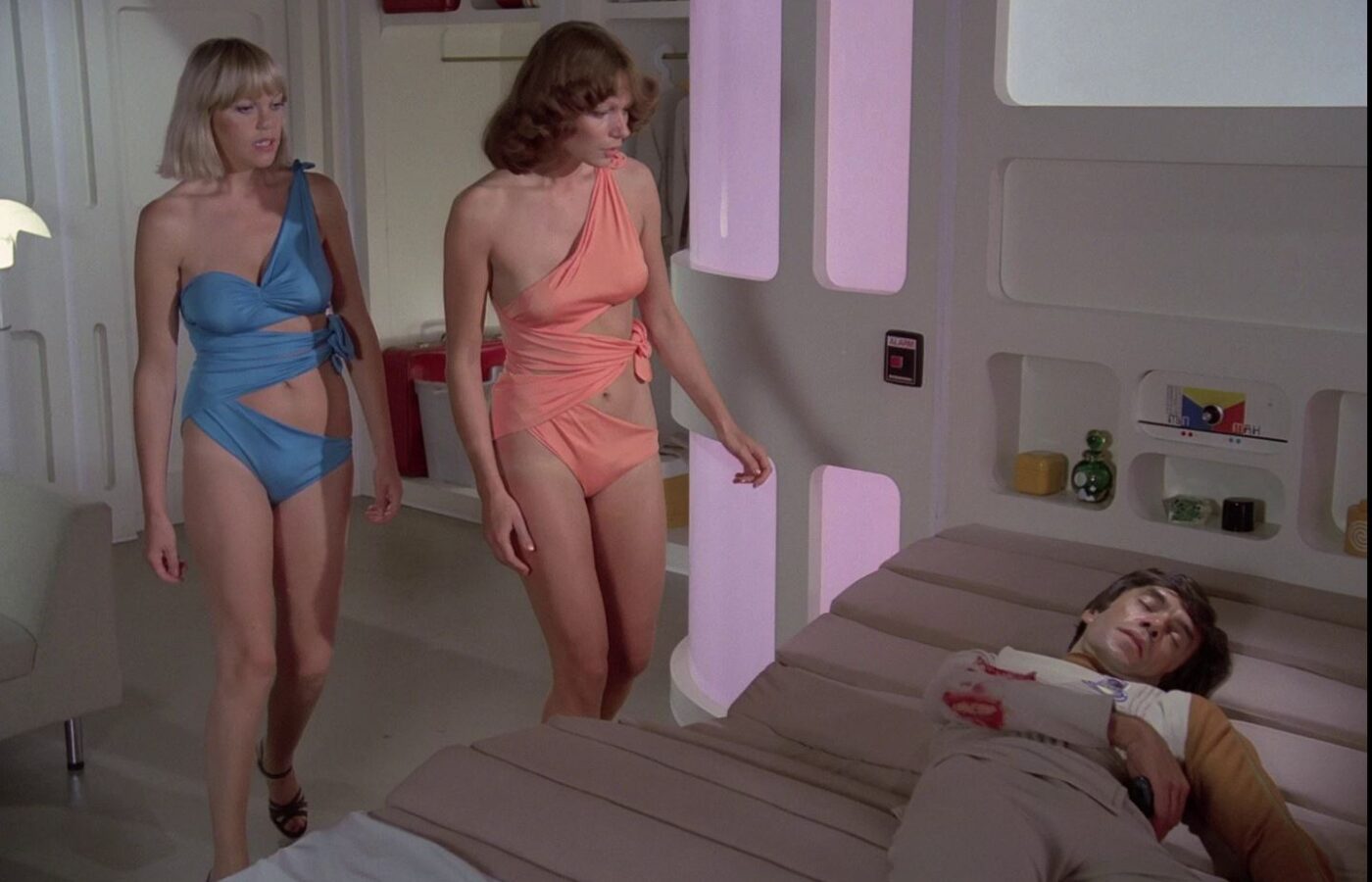
Visually, the episode delivers some really cool, memorable imagery, especially for its time. Those dream sequences with Michelle trapped in a fancy four-poster bed completely surrounded by raging walls of fire are incredibly surreal and look like a vintage music video. It adds a heavy psychedelic flavor to the show’s usual sterile, high-tech aesthetic. The underground mining tunnels, or the “catacombs,” also offer a nice, claustrophobic change of scenery from the usual clean white corridors of the main station.
At the end of the day, the episode is a solid watch, even if the pacing gets a bit bogged down with characters running back and forth through the same underground tunnels. The resolution feels a little rushed, and the ultimate message about faith can come off a bit muddled, but the performances really hold it together. It is a dramatic, high-stakes hour of television that perfectly highlights the unique, experimental spirit of the show’s second season.