Space 1999: Review: Brian The Brain

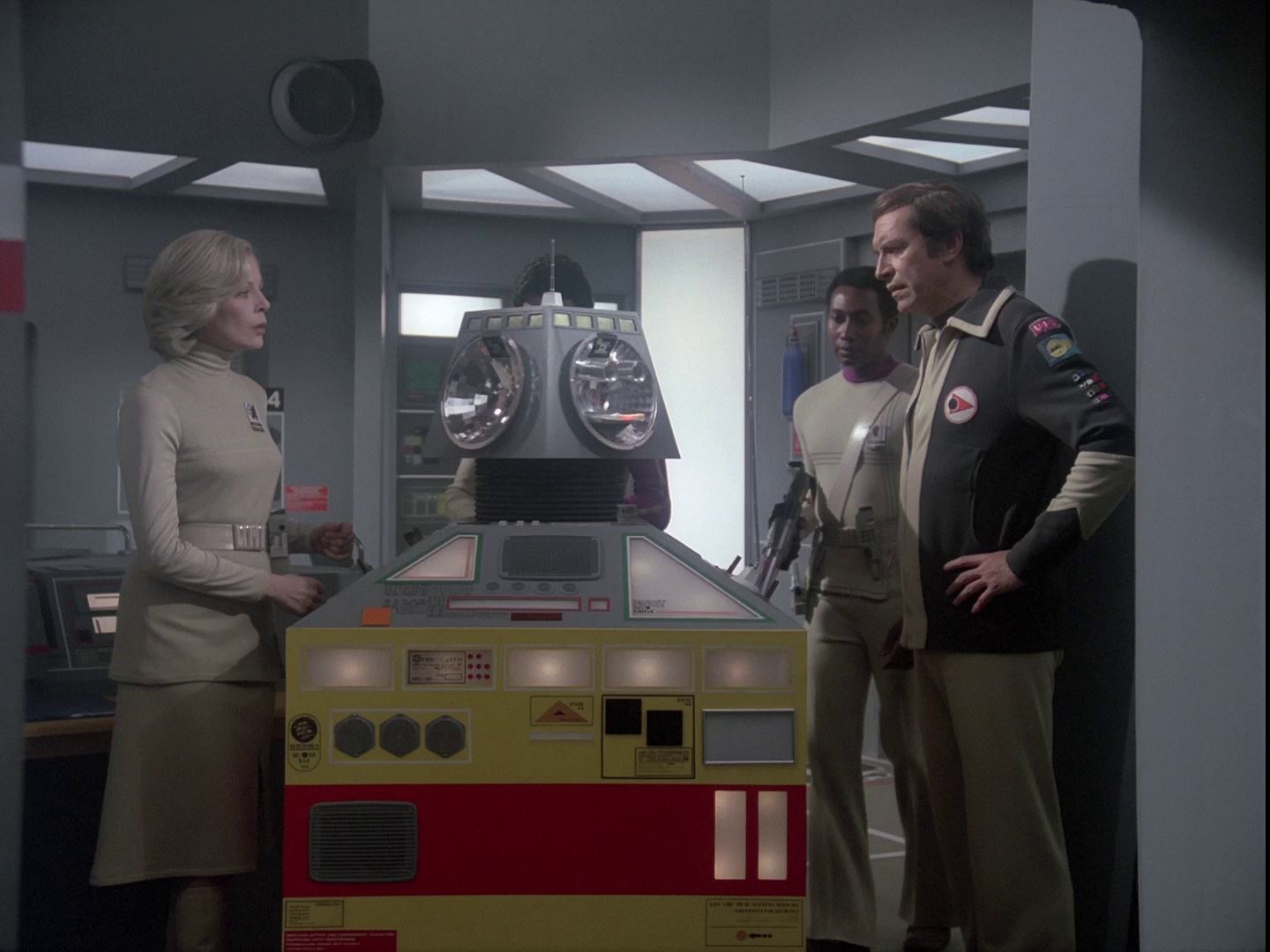
Brian the Brain stands out as one of the most memorable yet wildly chaotic episodes from the second season of Space 1999 . The plot kicks off when the crew of Moonbase Alpha crosses paths with a wandering Earth spaceship called the Swift. Instead of a human crew, they are greeted by an eccentric, highly intelligent robot who calls himself Brian. Brian initially plays the role of a harmless, lonely machine looking for companionship and a bit of lunch. However, the vibe changes completely once the Alphans realize this robot is hiding a dark secret about what happened to his original human creators.
The real strength of this episode lies in how it balances comedy with actual psychological tension. Brian looks pretty absurd, he essentially has a washing machine body and a hubcap for a face, but his childish demeanor makes him incredibly unpredictable. Once he kidnaps Commander John Koenig and Dr. Helena Russell, the true danger reveals itself. The absolute peak of the episode is the infamous “love test,” where Brian traps Koenig and Russell in separate, depressurizing airlocks. Watching them both try to sacrifice themselves to save each other creates a genuinely gripping, nail-biting scene that proves Brian is a top-tier psychological villain.
At the same time, you can definitely feel the major shift in tone that defined the show’s second season. Under the direction of American producer Fred Freiberger, Space: 1999 moved away from the deep, philosophical, and eerie sci-fi of the first season to chase a more fast-paced, action-oriented style. For purists, seeing a whistling, joke-cracking robot dominate the screen might feel a bit too campy or out of place in their serious universe. The script also stretches belief a bit by introducing an Earth mission that completely ignores the established timeline of the earlier episodes.
Overall, Brian The Brain is a highly entertaining, if slightly messy, piece of 1970s television. It might not have the heavy moral weight of the best season-one episodes, but it completely avoids being boring. Bernard Cribbins absolutely steals the show, giving life to a mechanical villain that feels ironically human in his loneliness and malice. If you can appreciate the vintage special effects and the slightly goofy aesthetic, it remains a standout adventure that highlights exactly what made season two so unique.