Space 1999: Review: The Bringers of Wonder (Part 2)

“The Bringers of Wonder (Part 2)” is honestly one of the wildest and most memorable rides in the entire run of Space: 1999. Picking up right from that tense cliffhanger where Commander John Koenig is the only one seeing these gross, blobby monsters while the rest of the crew thinks they are looking at their long-lost friends and family from Earth, this episode wastes no time kicking things into high gear. The main vibe here is pure psychological isolation; you really feel for Koenig because everyone around him thinks he has completely lost his mind, even though he is the only one actually trying to stop the base from blowing itself to pieces.
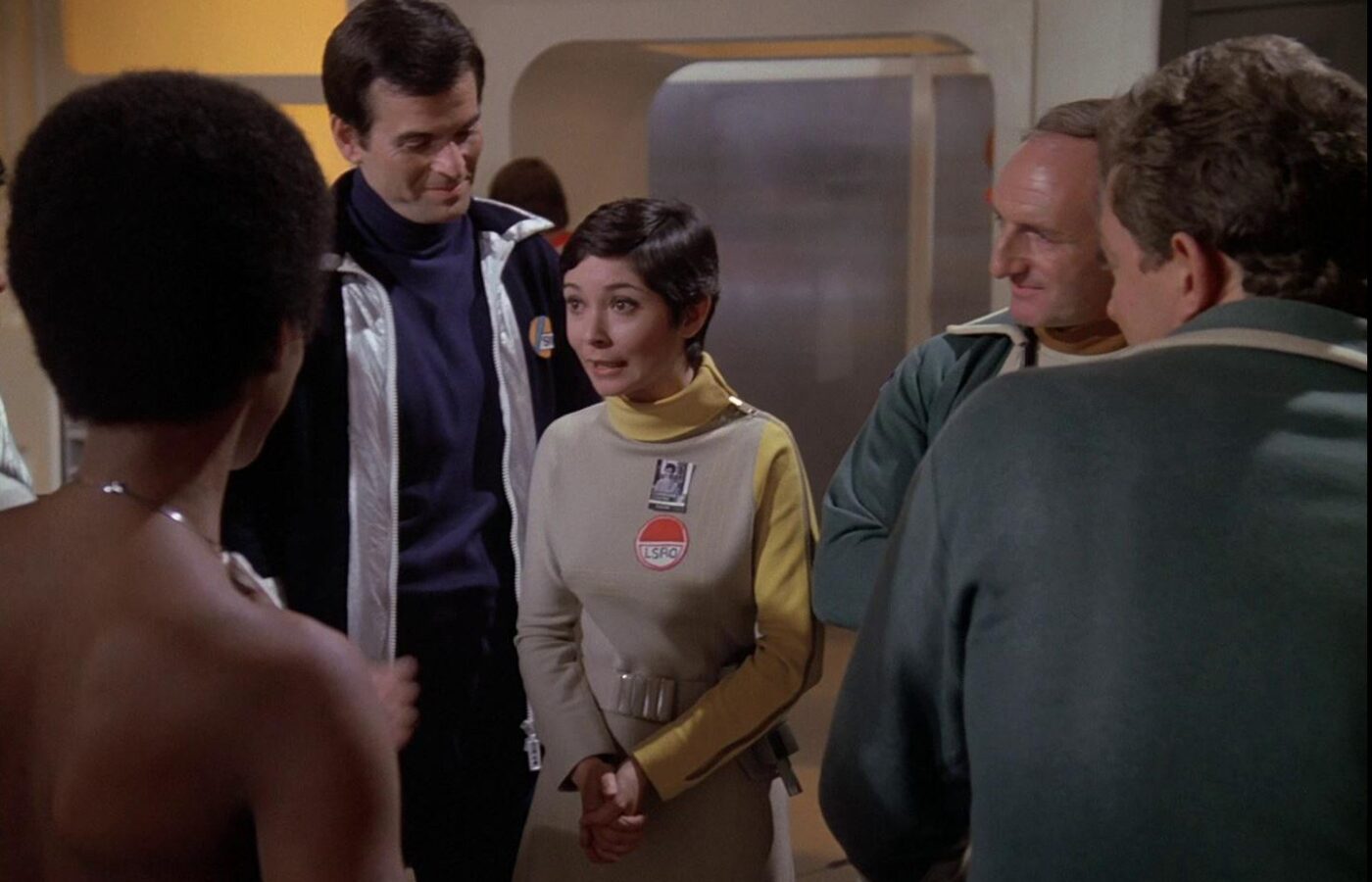
What makes this second part work so well is how that psychological tension turns into a literal race against the clock. The aliens are desperate for radiation to keep their dying bodies going, so they trick crew members like Alan Carter into thinking they are doing normal, everyday tasks back on Earth when they are actually setting up a massive nuclear explosion on Moonbase Alpha. Watching the crew get completely hypnotized and manipulated creates a great sense of dread, and it is super satisfying when Koenig finally manages to convince Helena and Maya to see past the illusion and help him save the base.
Now, you cannot talk about this episode without mentioning the actual design of the aliens. They look like glowing, walking piles of jelly covered in tentacles with a giant eye in the middle, which is honestly pretty hilarious by today’s standards and definitely leans into that cheesy 1970s sci-fi aesthetic. Some critics call the costumes sloppy or cheap, but they have a distinct, creepy charm that completely burns itself into your brain. Even if the special effects make you laugh a bit, the conviction in the actors’ performances, especially Martin Landau’s intense energy, keeps the whole thing grounded enough to work.
Overall, even though Season 2 of the show gets a lot of flak for being way more action-heavy and less deeply philosophical than the first season, this unique two-part story stands out as a major highlight. It perfectly balances the campy sci-fi fun of the era with a genuinely suspenseful plot about trust, illusion, and survival. It might not be perfect, but it delivers the exact kind of memorable, high-stakes drama that makes classic sci-fi so entertaining to look back on today.